
Health
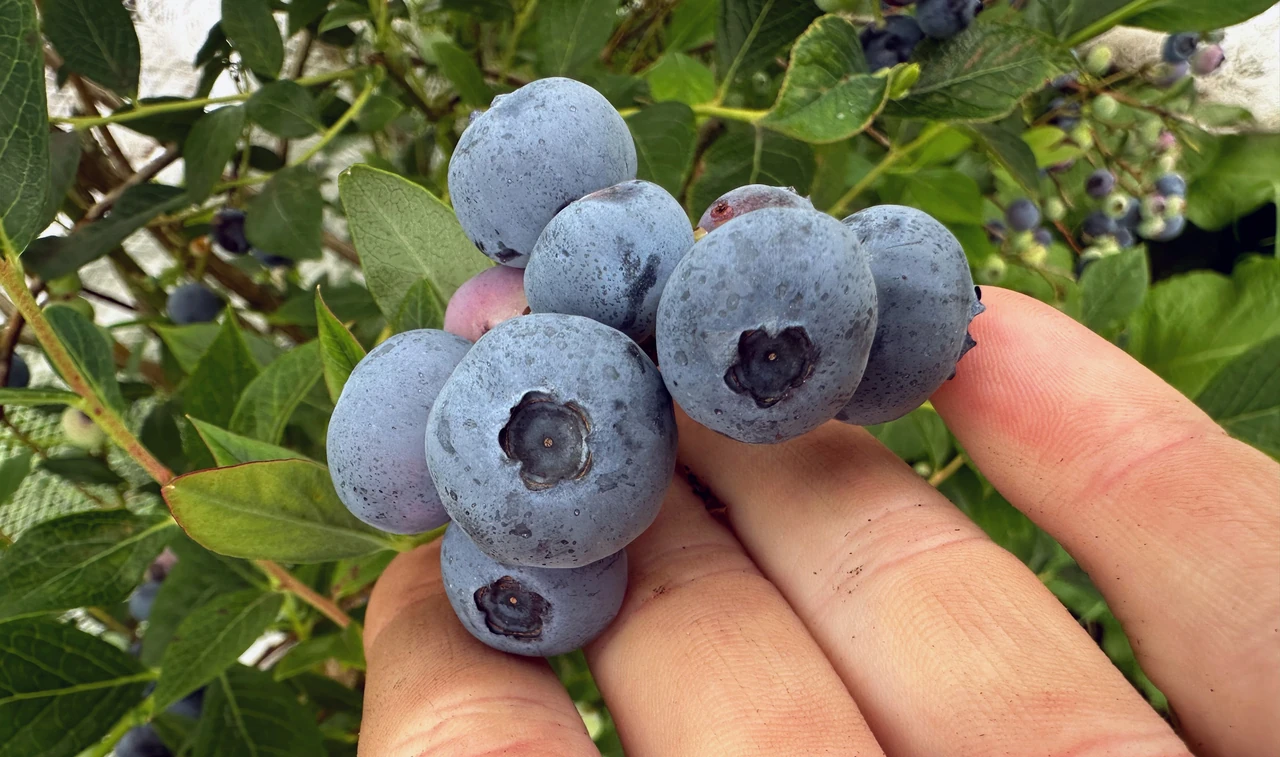
Blueberries are nature’s little powerhouse, brimming with antioxidants, fibre, and essential vitamins that promote wellbeing from the inside out. Scientific research consistently affirms that regular blueberry consumption can enhance heart health, support memory, improve blood sugar balance, reduce inflammation in the brain, and fortify the gut microbiome.
At Monavale Blueberries, our focus on growing a healthy and nutritious product begins long before harvest – it starts in the soil. Our organic practices regenerate soil structure, encourage microbial activity, and promote ecosystem diversity, resulting in berries that are as nutrient-dense as they are delicious. Choosing organic blueberries isn’t just a dietary choice, it’s an ethical one, supporting farming methods that honour the interconnected health of people and planet.
With flavours ranging from mildly sweet to tart and tangy, blueberries are nutritional stars bursting with nutrition and flavour, while being very low in calories.
Nutrients in fresh blueberries:
1 cup serving (125g of fresh blueberries
- Vitamin C 25% daily requirement
- Dietary fibre 20% daily requirement
- Manganese 12% daily requirement
- Vitamin E 10% daily requirement
- Vitamin B2 (riboflavin) 8% daily requirement
- Calories (81) 4% daily requirement
Blueberries are packed with antioxidant phytonutrients called anthocyanins, which neutralise free radical (oxidant) damage to the collagen matrix of cells and tissues that can lead to cataracts, glaucoma, varicose veins, haemorrhoids, peptic ulcers, heart disease and cancer.
They also fight sun damage to skin and may prevent the effects of Alzheimer’s and other age-related diseases, as well as improving cognitive ability and reducing age-related decline of memory and cognition. Blueberries also contain 6μg/100g of folic acid. Folic acid benefits the foetus during pregnancy and may help guard against cervical cancer.
Researchers at Tufts University, USA, focused on the antioxidant characteristics of 40 different fruits and vegetables, particularly the phytochemical group called flavonoids. And blueberries came out on top. One serving of blueberries provides as many antioxidants as 5 servings of carrots, apples, broccoli and squash.
Blueberries may also be effective at lowering cholesterol, with fewer side effects than commercial drugs.
We recommend consuming about 125 grams of blueberries per person every day. To make this easy, we produce pure blueberry juice, which we cold-press onsite. 100ml per day delivers your antioxidant requirement.
1 cup serving (125g of fresh of frozen berries) / 100ml of pure organic blueberry juice / 1 teaspoon of organic blueberry powder
What about chemicals?
We’ve established that blueberries are good for us, but they are even healthier if they are grown organically – without synthetic chemicals.
Growing blueberries organically means no use of synthetic herbicides, pesticides, genetically modified inputs, or chemical fertilisers. All products used are from natural sources.
A survey by the US Dept of Agriculture in 2002 showed that 73 percent of conventional crops contained at least one pesticide residue. Conventional crops were six times more likely to have multiple pesticide residues. Over 90 percent of conventional apples, peaches, pears, strawberries and celery were contaminated.
The residue is not just on the skins – it’s inside the fruit. So, just washing your fruit doesn’t fix the problem.
But research also shows that organic fruit and vegetables can have more nutrients than non-organic.
In a study of organic versus conventional fruits, vegetables and grains, V Worthington showed that organic crops showed significantly more vitamin C, iron, magnesium, and phosphorus and significantly less nitrates than conventional crops. There were non-significant trends showing less protein but of a better quality and a higher content of nutritionally significant minerals with lower amounts of some heavy metals in organic crops compared with conventional ones.
Organic certification is an independent process which assures the consumer that growing standards have been met.
Make sure that you buy certified organic blueberries, to avoid the risk that pesticides are ending up in your food, and to be sure that your purchasing decisions are supporting land care practices that enhance soil health.